BMW xDrive Transfer Cases — Common Problems and Solutions
How BMW xDrive ATC transfer cases work, the typical signs of a fault and when a repair is possible instead of a replacement.
BMW's xDrive system splits torque between the front and rear axles according to grip and driving style. At its heart is the transfer case — on most models one of the ATC series (for example ATC 300 and ATC 400), made by Magna. It is reliable, but sensitive to a few things that are often overlooked.
How it works
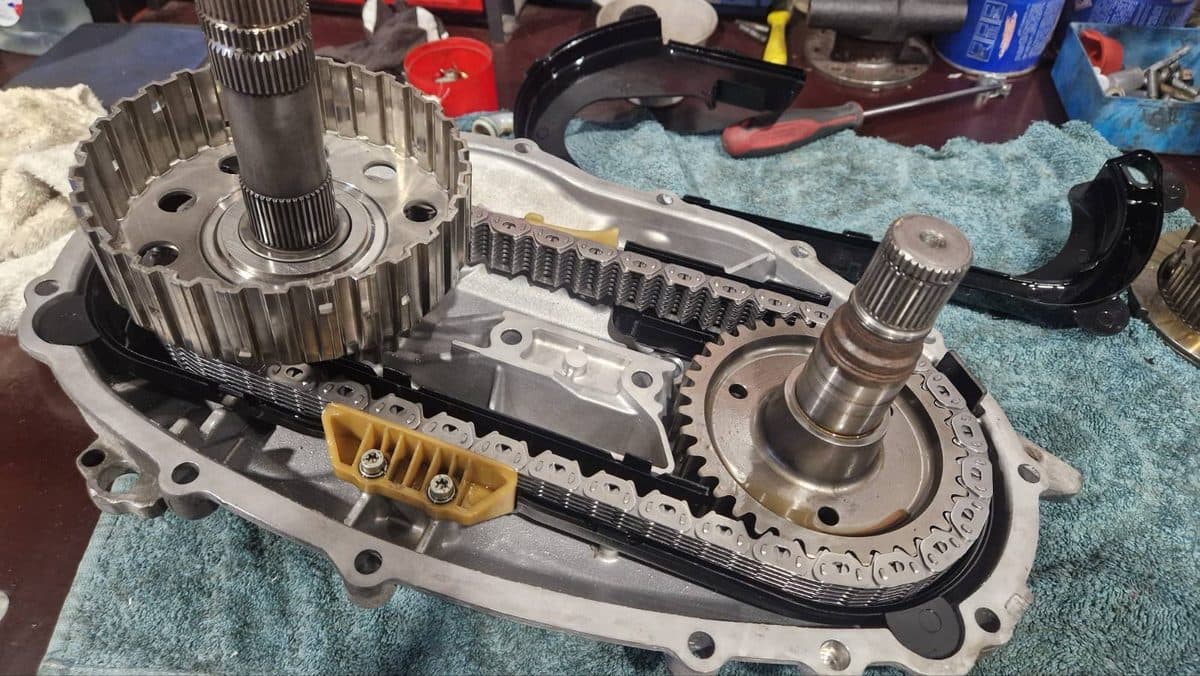
The rear axle is driven permanently, and torque reaches the front axle through a multi-plate clutch and a chain. The clutch is applied by an electric servo motor (actuator) controlled by the system's module. The harder it is applied, the more torque goes to the front wheels — from almost none when cruising to a large share when pulling away on a slippery road.
Typical signs of a fault
- A 4x4 or DSC warning on the dashboard.
- Shuddering, hopping or grinding when manoeuvring or turning at full lock.
- Knocking or humming from the middle of the car when pulling away.
- Vibration under acceleration.
- Difficulty pulling away on wet roads or snow.
The most common causes
A worn actuator. The transfer case servo motor is one of the most common causes of system faults. Sometimes replacing only the actuator is enough, without opening the case.
Old fluid. BMW lists the transfer case fluid as “lifetime”, but over time it loses its properties and the clutch starts engaging unevenly — hence the shudder in tight turns. Replacing the fluid with the one specified for the case often fixes the problem if done in time.
Mismatched tyres front and rear. Tyres with different wear or a different rolling circumference make the front and rear axles turn at different speeds. The clutch slips constantly, overheats and wears. That is why on xDrive we always recommend four identical tyres with similar wear.
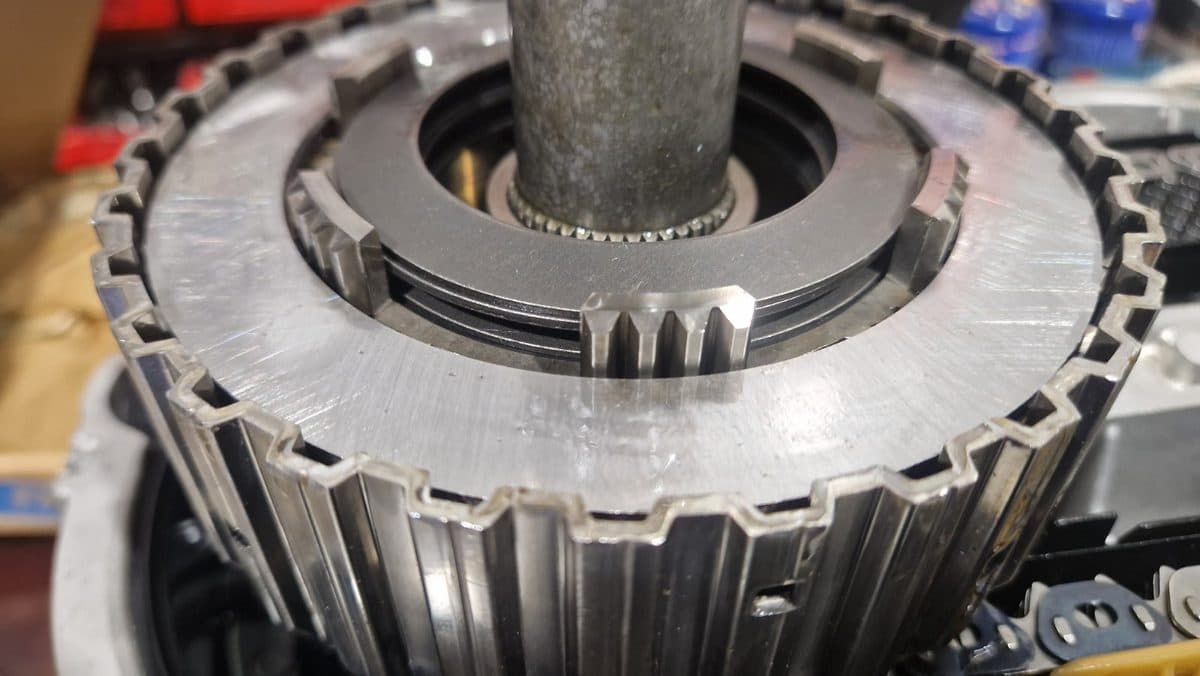
Worn plates, chain or bearings. At higher mileage, or after prolonged running in the conditions above, the mechanical parts themselves wear — this requires dismantling the case.
How we diagnose it
First we read the fault memory of the drivetrain modules and test the actuator. Then we check the tyres and the fluid condition and, if needed, dismantle the case to assess the plates, chain, bearings and seals.
Repair or replace
In many cases the transfer case can be repaired — by replacing the actuator, plates, chain or bearings — for considerably less than a new unit. We recommend a new or remanufactured case only when the housing or the main mechanical parts are seriously damaged. We decide after the diagnosis and always explain it to you first.
If you notice any of these signs, book a drivetrain check — changing the fluid or the actuator in time often prevents an expensive repair.