What to Check Before Buying a Used Car
Documents, body, engine, drivetrain, suspension and electronics — a practical pre-purchase checklist, and when it makes sense to hand it to a specialist.
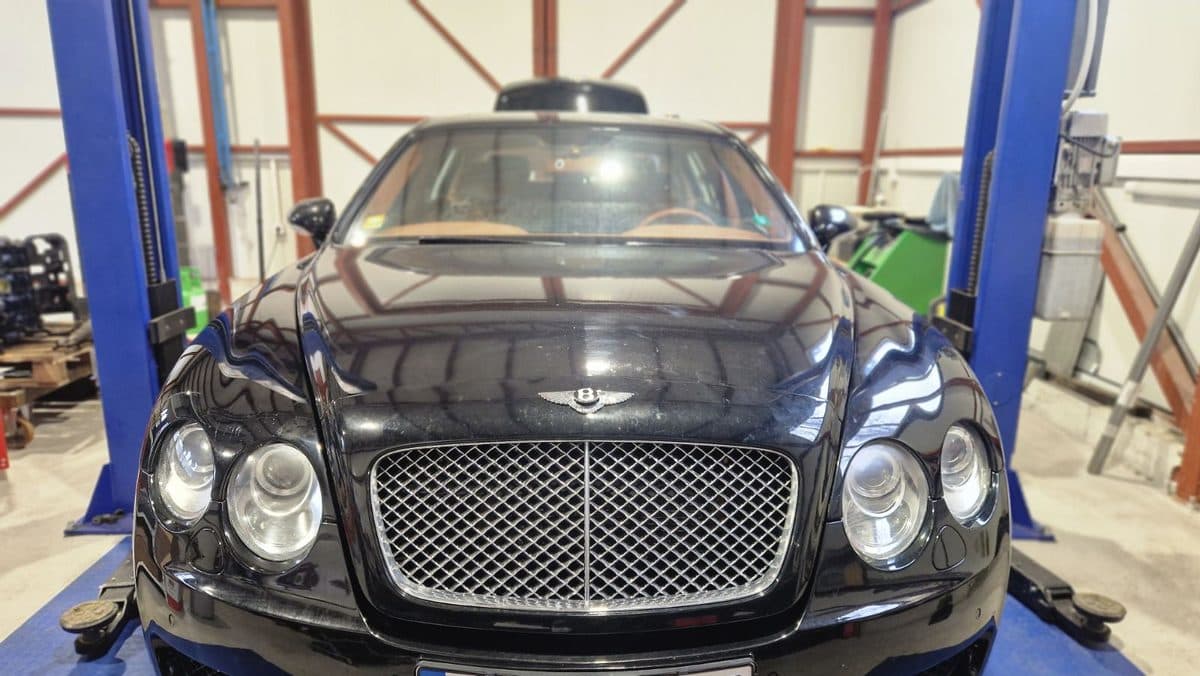
Buying a used car is one of the biggest expenses for many households, and the listing shows the car at its best. A systematic check before buying takes an hour or two, but can save you thousands in repairs that do not show in the photos.
1. Documents and history
- Match the car's VIN — on the plate, the body and the windscreen — against the registration documents.
- Ask for the service history: invoices, a service book or a printout from a dealer.
- Compare the mileage with the overall condition — a worn steering wheel, pedals and seat on a low-mileage car are a warning sign.
2. Body and paintwork
- Inspect the car in daylight. Colour differences between neighbouring panels, uneven panel gaps and overspray on seals suggest accident repair.
- Check the underside, sills and wheel arches for rust.
- Look at the glass — the markings are usually identical; a replaced window can point to a more serious impact.
3. Engine
- Ask the seller not to start the engine before you arrive — a cold start reveals the most. Listen for rattles and watch for hard starting and smoke.
- Look for oil and coolant leaks under the bonnet and under the car.
- Check the level and condition of the oil and coolant.
4. Transmission
- With a manual gearbox, the clutch must not slip and gears should engage without noise.
- An automatic should shift smoothly, without jolts or delays.
- On 4x4 cars, watch for shuddering or grinding when manoeuvring at full lock.
5. Suspension, brakes and tyres
- Uneven tyre wear points to an alignment or suspension problem.
- During the test drive, listen for knocks over bumps and watch for pulling or vibration under braking.
6. Electronics and computer diagnostics
No warning lights on the dashboard does not mean there are no faults. A full diagnostic scan of every module shows active and stored faults — and sometimes signs that faults were cleared shortly before the sale. Also check the air conditioning, windows, lights and infotainment.
7. Test drive
Drive for at least 15–20 minutes in different conditions — town, higher speed, braking. The car should run straight, without vibration or unusual noises.
When to hand the inspection to a specialist
Many of these checks need experience, diagnostic equipment and time — and often a trip to another city. That is why we offer an on-site pre-purchase inspection, with no need for you to be there: our specialist arranges the viewing with the seller, inspects the car end to end and emails you a written report with photos and a risk assessment. If you prefer, the inspection can also be done together with you, or as a detailed check in our workshop.
Learn more about the pre-purchase inspection and send a request — we will help you buy a car you can be sure of.