How to Choose the Right Engine Oil
Viscosity, specifications and manufacturer approvals, synthetic or mineral — and why the approval matters more than the brand on the bottle.
Engine oil lubricates, cools and cleans the engine. The wrong oil or an overly long change interval rarely causes instant failure, but it speeds up wear on bearings, the turbocharger and the timing drive, and can take years off the engine's life.
What 5W-30 means
The rating follows the SAE standard and describes viscosity. The number before the “W” (winter) describes low-temperature behaviour — the lower it is, the faster the oil reaches every point on a cold start. The number after the dash describes viscosity at operating temperature: higher means thicker oil in a warm engine.
The right viscosity is the one the manufacturer specifies for that engine. A thicker oil “just in case” is not better protection — in modern engines with tight tolerances and hydraulic systems such as variable valve timing it can worsen lubrication on a cold start.
The specification matters more than the viscosity
Besides viscosity, every oil must meet certain specifications: general ones (ACEA, API) and the car manufacturer's own approvals. Approvals guarantee the oil has been tested with that type of engine, seals and exhaust after-treatment. Examples:
- VW 504 00 / 507 00 — for many VW, Audi, Škoda and Seat engines on extended intervals; also suitable for diesel engines with a particulate filter.
- BMW Longlife-01 — for many BMW petrol engines; BMW Longlife-04 — low-ash oils for engines with a particulate filter.
- MB 229.51 / 229.52 — low-ash oils for Mercedes-Benz.
Using an oil without the required approval in an engine with a particulate filter makes the filter clog faster — a repair that costs far more than the difference in oil price.
Synthetic, semi-synthetic or mineral
Synthetic oils keep their properties over a wider temperature range, oxidise more slowly and are standard for modern engines. Mineral and semi-synthetic oils are mainly used in older engines they were specified for. What decides is the manufacturer approval, not just the word “synthetic” on the label.
“Genuine” oil is not the only right choice
Oil carrying the car maker's logo is usually produced by a large oil supplier to the relevant specification. Any oil with the required approval is equally suitable, whatever the brand on the bottle. For engines with increased power, frequent high revs or track use, it makes sense to choose an oil with a higher-grade base that meets the specification and copes with higher temperatures.
Brands we recommend
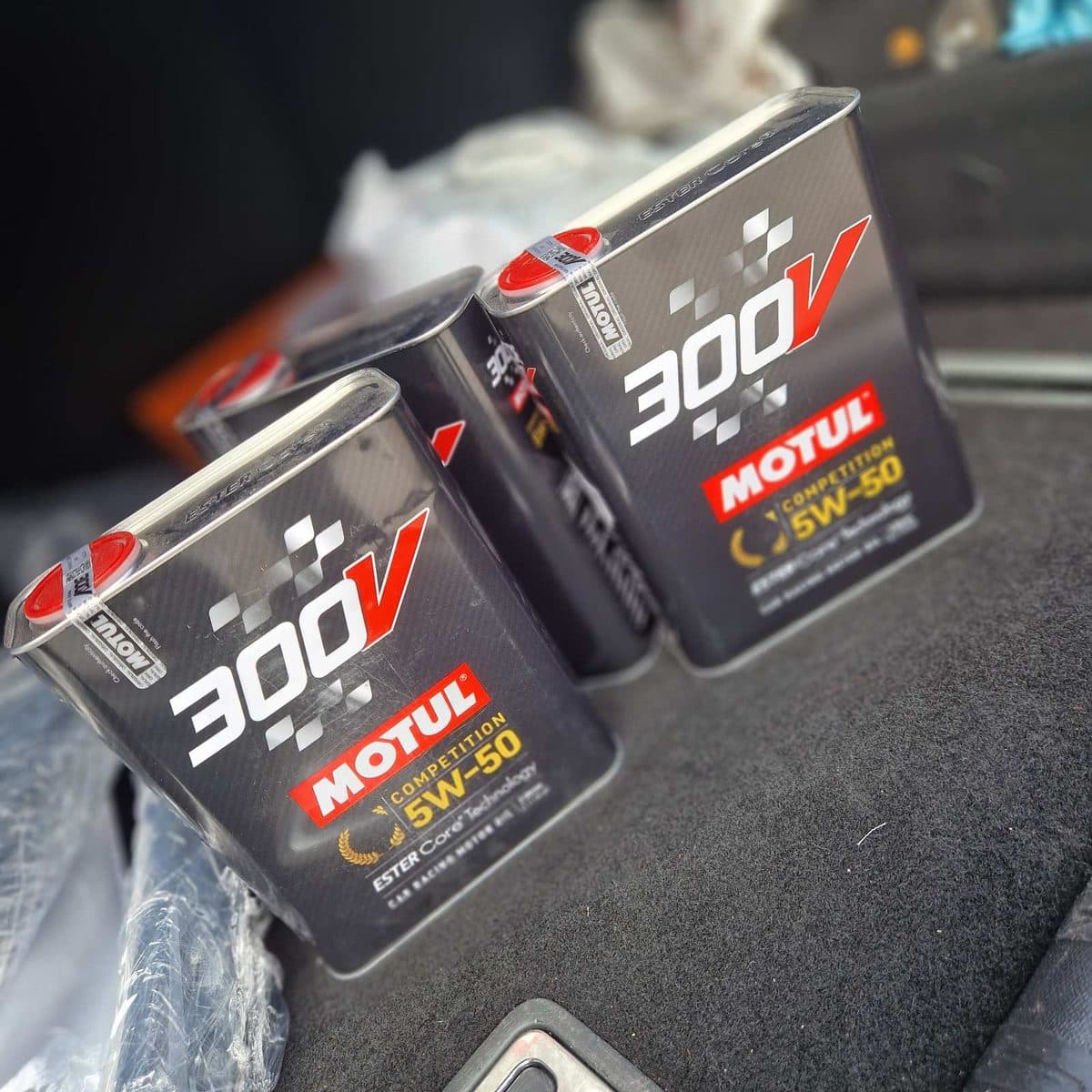
At Redline Speed we mainly work with Motul, Castrol, Liqui Moly and Ravenol. For motorsport we use oils such as Motul 300V, developed for high revs and temperatures.
How often to change the oil
The extended (Longlife) intervals set by manufacturers are acceptable for calm motorway driving. City driving, short trips, frequent cold starts, towing or spirited use load the oil far more. That is why we recommend a change roughly every 10,000–15,000 km or once a year, together with the oil filter.
If you are not sure which oil suits your car, book a service — we will choose an oil with the right approval for your engine.