Limited-Slip Differentials (LSD) — When Do You Need One
How a limited-slip differential works, the types available, when one is worth fitting and what maintenance it needs.
A differential lets the wheels on one axle turn at different speeds in a corner. A standard “open” differential has a significant drawback, though: torque always goes to the wheel with less grip. When the inside wheel unloads in a corner or hits a slippery surface, it spins and the car loses drive.
A limited-slip differential (LSD) limits the speed difference between the two wheels and transfers torque to the wheel with more grip.
Main types
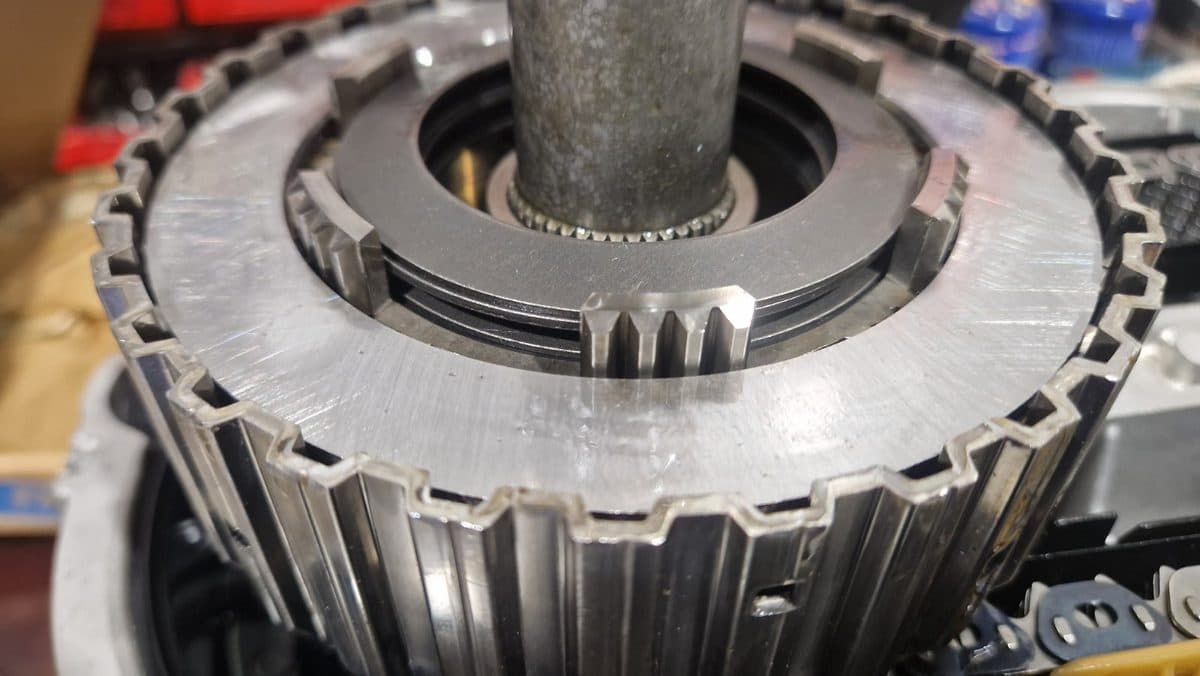
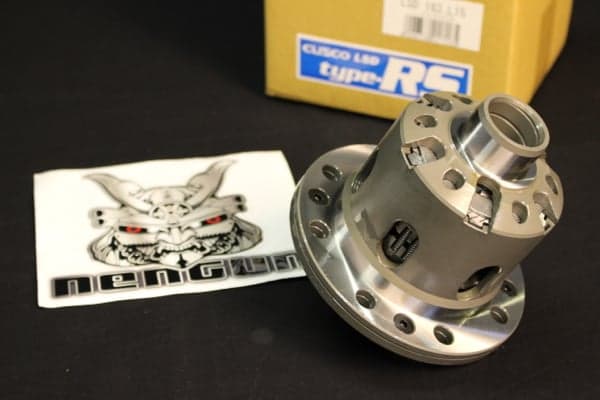
Clutch-type (multi-plate). A pack of friction plates, preloaded by springs, limits wheelspin. Available as 1-way (acts only under acceleration), 1.5-way and 2-way (also acts off-throttle). Preload is adjustable, and it is the preferred choice for track and drifting. Brands: Cusco, Kaaz, OS Giken.
Helical (Torsen type). Uses helical gears and responds smoothly to torque differences. It needs no periodic servicing and is an excellent choice for road use and a fast daily car. Limitation: if one wheel is in the air, it cannot transfer torque. Brands: Quaife, Wavetrac (with a mechanism that solves this), Torsen.
Viscous. Uses a special silicone fluid and reacts with a delay. It is found in factory systems, but under hard use its effect fades over time.
Many modern cars also have an electronic LSD simulation that brakes the spinning wheel. It helps in daily driving, but under hard use it overheats the brakes and does not replace a mechanical differential.
When you need an LSD
- The car is rear-wheel drive with significant power, and the inside wheel spins on corner exit.
- You regularly drive on track or take part in drift events.
- The car is front-wheel drive with high power — an LSD reduces wheelspin and torque steer under acceleration.
- You want more predictable behaviour when accelerating on wet or slippery roads.
For relaxed daily driving at factory power, a limited-slip differential is rarely necessary.
Fitting and setup
Fitting requires dismantling the differential, correctly setting gear mesh and bearings and, on clutch-type units, setting the preload for the intended use — softer for the road, firmer for track and drifting.
Maintenance
Limited-slip differentials need gear oil of the right specification, and clutch-type units often need oil with friction modifiers for the plates (for example Motul Gear Competition). The change interval is shorter with heavy track use.
At Redline Speed we supply and fit Cusco, Kaaz, OS Giken, Quaife and Wavetrac differentials. Get in touch to choose the right type and setup for your car.